A New Standard for Web Blocks: The Block Protocol Explained
Introduction
If you’ve worked with any modern content management system, blogging platform, or even a note-taking app, you’ve likely encountered the block-based editing paradigm. A block is a self-contained unit of content—a paragraph, an image, a video embed, or even a complex interactive component like a Kanban board. The beauty of this approach is its modularity: you build a page by stacking blocks. But here’s the catch: every platform implements its own block system. What you create in WordPress won’t work in Medium, Notion, or your custom editor. This fragmentation forces developers to reinvent the wheel every time and leaves users stranded with limited choices.
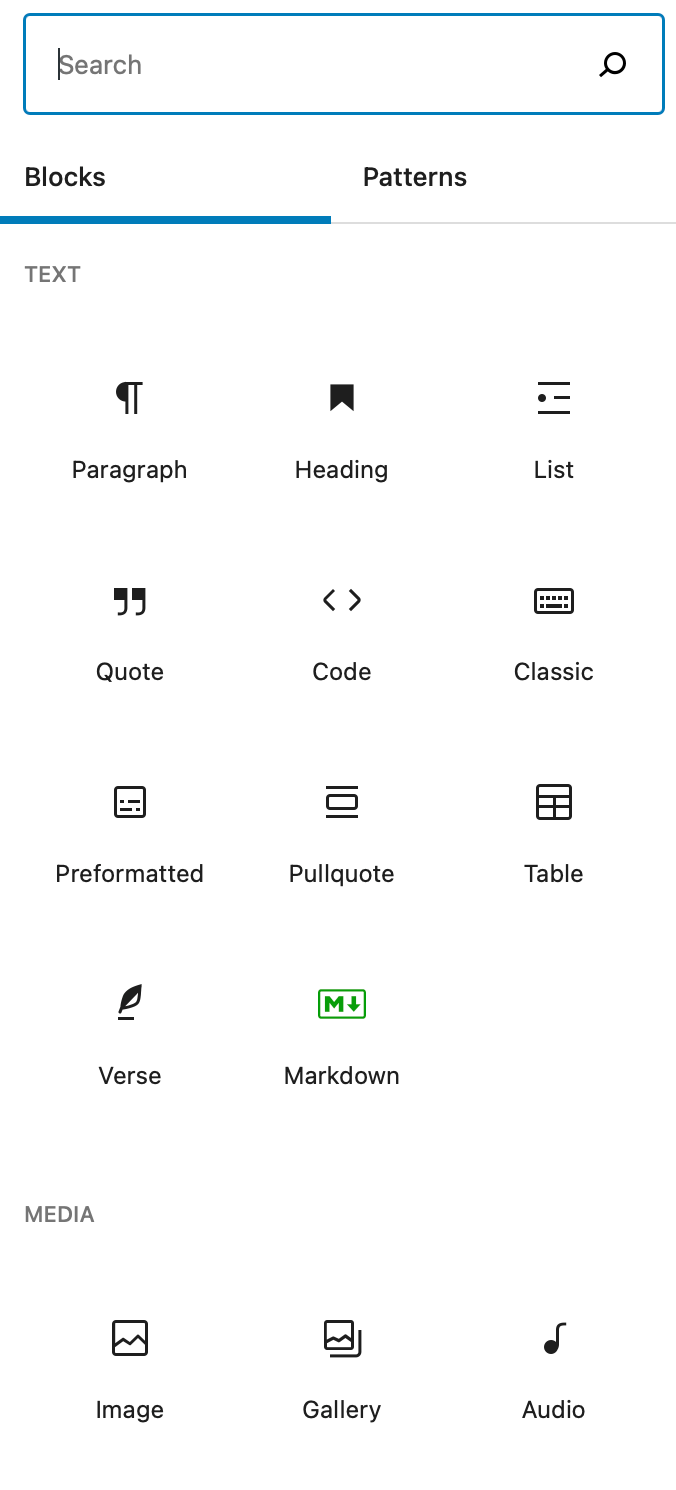
Enter the Block Protocol—an open, non-proprietary standard designed to unify blocks across the web. Imagine writing a calendar block once and using it in any compatible editor. That’s the vision. Let’s break down what this protocol is, why it matters, and how you can get involved.
The Problem: Block Proliferation Without Interoperability
If you type a slash (/) in most modern editors, you’ll see a menu of blocks you can insert. This convenient slash-command pattern has become a de facto standard. But beyond that, everything else is proprietary. Each app—whether it’s a CMS, a blogging tool, or a note-taking app—has its own block definitions, rendering logic, and user interface. This leads to several pain points:
- Developers must build block support from scratch. Want to offer a fancy Kanban board? You’ll need to code it yourself, including all the UI and data handling.
- Users are limited to what their editor provides. If your editor only offers basic text and image blocks, you can’t insert the advanced poll or timeline block you saw elsewhere.
- Blocks cannot be shared or reused. No standard way to move a block from one app to another—you end up copying and pasting raw HTML, losing structure and functionality.
This fragmentation hurts both developers and end users. Developers waste time reimplementing common blocks; users miss out on richer experiences. The solution is obvious: a shared protocol that any app can adopt, and any block can follow.
The Solution: What Is the Block Protocol?
The Block Protocol (BP) is a free, open, and non-proprietary standard that defines how blocks communicate with the applications that host them. In a nutshell:
- Host applications (like a blog editor or a note-taking app) implement the protocol to “talk to” blocks.
- Blocks are self-contained components that expose a standard interface—they can be rendered, resized, saved, and edited without the host needing to know their internal logic.
Think of it like USB: a single port works with countless devices, because both the port and the device follow the same standard. The Block Protocol does the same for web content blocks. Any editor that implements the protocol can embed any compliant block, regardless of who built it or what tech stack it uses.
How It Works in Practice
The protocol is intentionally lightweight. It defines:
- Block metadata – name, description, icon, allowed contexts.
- Lifecycle hooks – how the host creates, destroys, or updates a block.
- Data binding – how external data (e.g., a list of tasks for a Kanban board) is passed to the block and saved back.
- Rendering – blocks render themselves in an
<iframe>or sandboxed environment, ensuring security and isolation.
A block could be as simple as a text paragraph or as complex as an interactive map. The protocol doesn’t care about the content—it only standardizes the communication channel.
Benefits for Developers and Users
Adopting the Block Protocol brings immediate advantages:

- Developers write blocks once. Build a high-quality calendar block, publish it under the protocol, and it works in any BP-compatible editor. No more porting to every platform.
- App developers focus on core features. Instead of implementing dozens of block types, they support the protocol once and instantly gain access to a growing library of blocks.
- Users get choice and flexibility. They can select from a marketplace of community-built blocks, easily swap them, and even bring their own custom blocks into any editor.
- Blocks become portable. A block created in one editor can be exported and imported into another, preserving its functionality and data.
The result is a richer, more open ecosystem where innovation happens faster. No single company controls the block format—the community does.
Getting Started with the Block Protocol
The protocol is still in its early draft stage, but the team has already released a prototype editor and a few example blocks on GitHub. You can:
- Read the specification draft (link to anchor).
- Experiment with the demo editor (link to anchor).
- Check out the sample blocks to see how to build your own.
Everything is open-source, and contributions are welcome. The vision is a large library of blocks built by a community of developers—from simple text and list blocks to advanced Kanban boards, order forms, or even interactive data visualizations.
What Can Be a Block?
Almost anything that makes sense in a document or on the web can become a block:
- Document elements: paragraphs, lists, tables, diagrams.
- Web-native components: order forms, calendars, video embeds.
- Structured data interactions: forms that let users fill in typed data, or blocks that visualize API responses.
The only limit is your imagination—and the protocol provides the framework to make any of these ideas work seamlessly across platforms.
Join the Movement
If you build any kind of web editor—whether it’s a blogging tool, a note-taking app, a CMS, or even a design tool—you have an opportunity to make your product more powerful and your users more autonomous. Implement the Block Protocol and unlock a world of blocks that you didn’t have to write.
The Block Protocol is still in its infancy, and the community is actively shaping it. By getting involved early, you can influence the standard and ensure it meets the needs of developers and users alike. Visit the official website or the GitHub repository to learn more and start building.
Let’s make the web better—one block at a time.
Related Articles
- The GUARD Act: How a Well-Intentioned Bill Could Restrict Everyday Online Tools
- Reddit Blocks Mobile Web Access, Pushes Users to Its App
- How to Evaluate the GUARD Act’s Effect on Your Everyday Internet Use: A Step-by-Step Guide
- 5 Essential Facts About GitHub Copilot CLI: Interactive vs. Non-Interactive Modes
- How Filmmakers Are Using AI to Streamline Pre-Production (Without Losing Creative Control)
- Building Smarter AI Agents: The Essential Guide to Search and Fetch APIs in 2026
- Cisco Unveils Open-Source Solution to Boost AI Model Transparency and Security
- Mastering Terminal-Based Observability with gcx: A Step-by-Step Guide