Turning Plastic Waste Into Clean Hydrogen: Old Car Batteries Power a Circular Solution
Plastic pollution and spent lead-acid batteries from old vehicles are two of the most persistent environmental challenges. Now, researchers have developed an innovative process that tackles both at once—by using battery acid to convert hard-to-recycle plastics into clean hydrogen fuel. This circular upcycling system not only reduces waste but also produces a valuable energy carrier, offering a promising path toward a more sustainable future.
The Twin Challenges of Plastic and Battery Waste
Each year, millions of tons of plastic end up in landfills or the environment, with only a small fraction being recycled. Much of this plastic is hard to recycle using conventional methods, such as mixed plastics or those contaminated with food residues. At the same time, used car batteries—specifically the lead-acid type—generate hazardous waste, including highly corrosive sulfuric acid that must be neutralized or disposed of carefully.
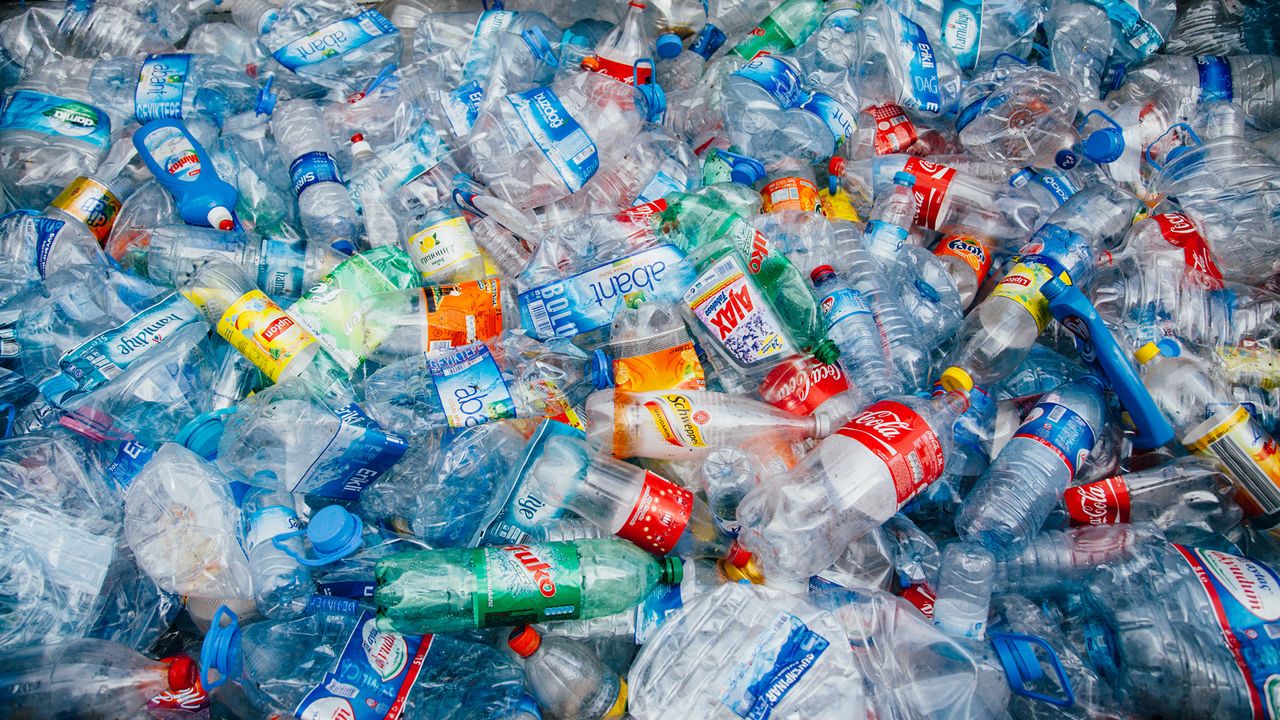
Traditional recycling approaches treat these two waste streams separately, often at high cost and energy input. The new research, however, combines them in a single, synergistic process that addresses both problems simultaneously.
How the Process Works
The key innovation lies in using battery acid (sulfuric acid) from old car batteries as a chemical agent to break down plastic polymers. When combined with solar power as a renewable energy source, the system generates hydrogen gas without emitting additional carbon dioxide from the plastic itself.
Specifically, the researchers placed plastic waste in a solution of sulfuric acid and applied a small electric current provided by solar panels. This electrochemical process causes the plastic molecules to dissociate, releasing hydrogen atoms that combine to form H₂ gas. The remaining carbon can be repurposed for other applications.
Why Sulfuric Acid Is Ideal
Sulfuric acid is a strong acid that can break down many types of plastic polymers, including polyethylene and polypropylene, which are notoriously difficult to recycle mechanically. Moreover, using waste acid from batteries gives a second life to a substance that would otherwise require costly treatment and disposal.
The Role of Solar Power
The process requires energy to drive the electrochemical reaction. By using solar panels, the researchers ensured that the hydrogen produced is truly clean—no fossil fuels are burned. This makes the entire system carbon-neutral or even carbon-negative if the plastic would have otherwise been incinerated or landfilled.
A Circular Upcycling System
This approach embodies the principles of a circular economy. Instead of treating plastic and battery waste as problems to be managed separately, the researchers have created a system where the waste from one industry (car batteries) becomes the resource for another (hydrogen production). The hydrogen itself can be used as a clean fuel for transport, industry, or power generation, displacing fossil fuels.
Moreover, the process does not release harmful byproducts into the environment. The remaining solution can be recycled or neutralized safely, and any solid residues can be captured and reused.
Advantages Over Existing Methods
Compared to traditional plastic-to-hydrogen methods, such as gasification, this new technique operates at lower temperatures and pressures, making it more energy-efficient. It also avoids the need for precious metal catalysts, which are expensive and can be scarce.
- Lower energy input thanks to the strong chemical action of acid.
- Uses waste materials from two separate streams.
- Generates a valuable fuel (hydrogen) with zero net carbon emissions.
- Scalable with existing solar and battery recycling infrastructure.
Implications for the Hydrogen Economy
Clean hydrogen is widely seen as a key pillar of the future low-carbon energy system. However, most hydrogen today is produced from natural gas (gray hydrogen), which releases CO₂. Green hydrogen from electrolysis is clean but requires large amounts of renewable electricity and pure water.
This new process offers an alternative: it uses plastic waste as a hydrogen source, effectively turning a pollutant into a resource. If scaled up, it could help reduce the demand for virgin hydrogen production while simultaneously cleaning up plastic pollution.
Challenges and Next Steps
While promising, the technology is still at the laboratory stage. Researchers need to optimize reaction rates, improve efficiency, and demonstrate the process at pilot scale. Additionally, collection and sorting of plastic waste remains a logistical challenge that must be addressed at the system level.
Nevertheless, the concept is robust, and initial results show high conversion rates. The research team is now working with industrial partners to build a small-scale demonstration plant powered by solar energy and fed with battery acid from local recycling centers.
Conclusion
The combination of plastic waste, old car battery acid, and solar power might seem unlikely, but it represents a creative, scientific solution to some of our most stubborn environmental problems. By turning a liability (acid) into an asset and using it to unlock hydrogen from otherwise unrecyclable plastics, researchers have demonstrated a truly circular approach. As the world strives for net-zero emissions and zero waste, innovations like this remind us that waste from one process can be the feedstock for another—and that the solutions we need may already be sitting in our junkyards and landfills.
Related Articles
- Recycled Myths: How Climate Disinformation Keeps Coming Back
- Unearthing a Prehistoric Mystery: How Scientists Identified Tanyka amnicola with Its Unique Twisted Jaw
- Recharging the Brain's Powerhouses: A Breakthrough in Reversing Memory Loss
- Consciousness May Be the Universe's Fundamental Substance, New Theory Suggests
- The Secret to Supermassive Black Hole Growth: Eccentric Mergers Revealed by Gravitational Waves
- New artificial intelligence technique integrates scattered cellular maps into comprehensive spatial atlases across multiple tissues
- Unraveling the Mystery: New Insights into What Triggers Lightning
- 10 Exciting Revelations About Samsung’s July 22 Event: Galaxy Glasses, Watch 9, and Fold 8