How to Choose a Sports Car That Depreciates Less Than a Toyota Camry
Introduction
Buying a sports car is often viewed as a financial misstep. The thrill of the drive comes with a steep price tag that plummets the moment you drive off the lot. Practical sedans like the Toyota Camry are traditionally the safe bet for holding value, but a select group of affordable, purist sports cars defy this rule. In fact, some models retain their worth better than the ever-popular Camry. This guide will walk you through the steps to identify and purchase such a vehicle, turning what is usually a passion project into a smart investment.
What You Need
- Budget – Determine your maximum spend, including taxes and fees.
- Online research tools – Kelley Blue Book, Edmunds, or similar valuation sites.
- Vehicle history reports – Carfax or AutoCheck to check ownership and accident records.
- Reliable mechanic – For pre-purchase inspection.
- Patience – Finding the right car may take weeks or months.
Step-by-Step Guide
Step 1: Acknowledge the Financial Reality of Sports Car Ownership
Most sports cars depreciate fast – often losing 20–40% of their value in the first three years. Understanding this baseline helps you appreciate the exceptions. Recognize that you are looking for a vehicle that defies typical depreciation, not one that guarantees profit. Start your search with realistic expectations.
Step 2: Identify "Purist" Sports Cars with Strong Resale
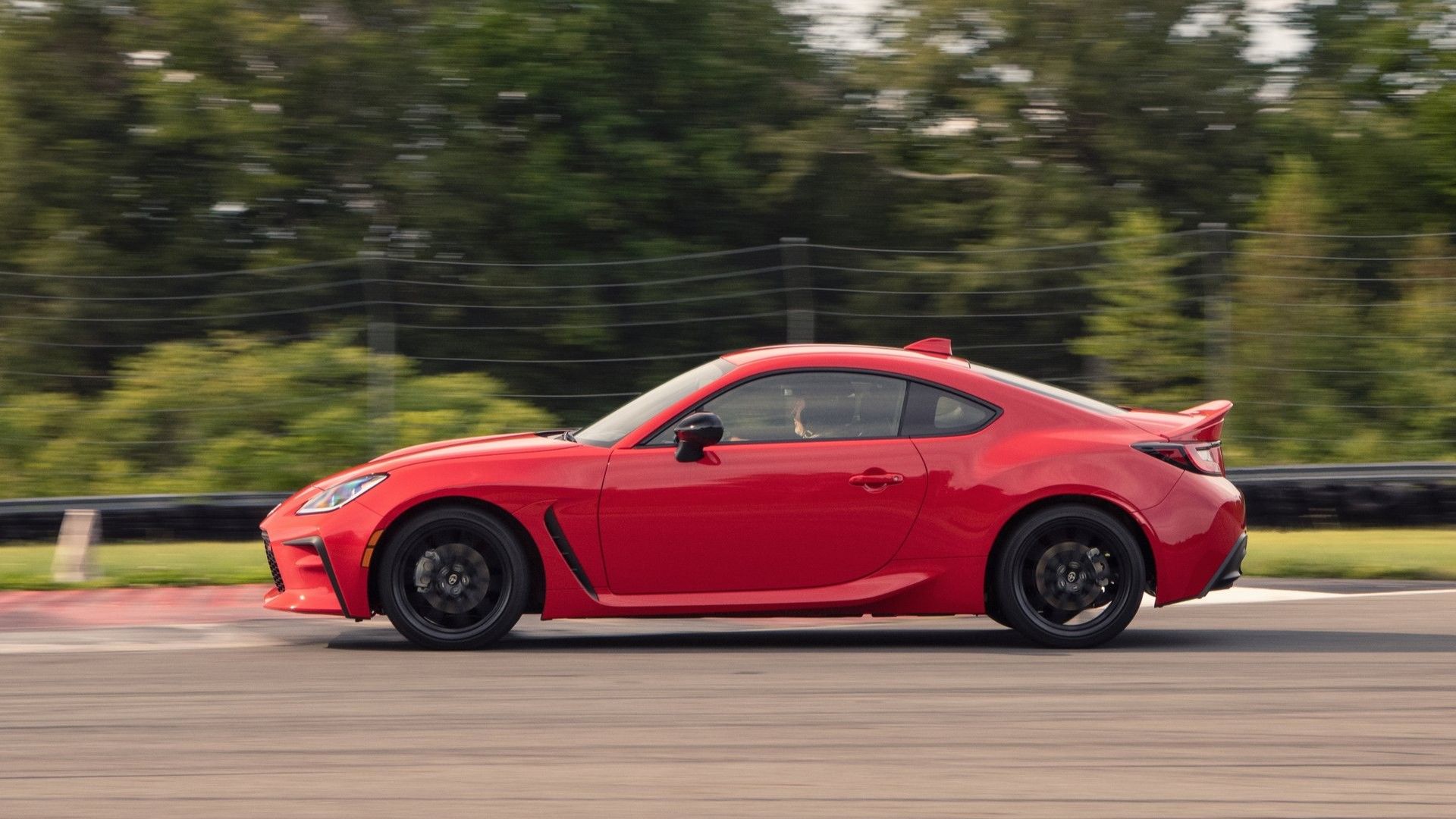
Not all sports cars are created equal. Purist models – lightweight, rear-wheel drive, manual transmission options, and minimal electronic nannies – tend to have a dedicated fan base that sustains demand. The Mazda MX‑5 Miata is a prime example: an affordable roadster that consistently holds its value. Other candidates include the Subaru BRZ/Toyota GR86, Porsche Boxster (certain years), and the Chevrolet Corvette (especially special editions). Research enthusiast forums and resale rankings to spot models that command high used prices.
Step 3: Research Depreciation Data and Compare to Practical Sedans
Use valuation tools to compare five‑year depreciation of your target sports car against a Toyota Camry. For instance, a well‑maintained Mazda MX‑5 often retains over 60% of its MSRP after five years, while a Camry typically holds about 50–55%. Look for specific model years where depreciation is minimal – often the first or last year of a generation. Create a spreadsheet listing purchase price, current value, and projected future value.
Step 4: Consider Brand Reputation and Reliability
A sports car that frequently breaks down will lose value quickly. Brands known for reliability – Mazda, Toyota (for the GR86), and Porsche – tend to have higher resale. Check Consumer Reports and J.D. Power ratings. Avoid models with known mechanical issues or expensive repair costs, as these will deter future buyers.
Step 5: Look for Low Production Numbers or Special Editions
Limited‑production runs and special editions (e.g., 30th Anniversary Miata, Porsche 911 GT3 Touring) often appreciate or hold value better than standard versions. If you can afford the premium, these models are more likely to beat Camry depreciation. Check production figures and exclusive features that collectors value.
Step 6: Verify Maintenance History and Mileage
A pristine maintenance record is crucial. Enthusiasts pay extra for a car that has been loved. Look for documentation of regular oil changes, timing belt replacements, and any major repairs. Low mileage helps but isn’t everything – a well‑driven car with full service history is better than a garage queen with gaps in maintenance. Get a pre‑purchase inspection by a specialist.

Step 7: Check Current Market Demand (Seasonality, Trends)
The used sports car market fluctuates. Convertibles sell for more in spring and summer. Monitor auction sites and classifieds to see which models are moving quickly. If a car lingers for weeks, the price may be too high. Use this data to time your purchase – buy in late fall (when demand drops) to get a better deal, then sell in peak season if needed.
Step 8: Negotiate Purchase Price with Resale in Mind
Even a car with great long‑term value can be a bad deal if you overpay. Use your research to establish a fair market value. Offer below asking price, but be prepared to walk away. Remember: the less you pay upfront, the less you lose later. Focus on cars that are already priced near their long‑term depreciation plateau.
Step 9: Maintain the Car to Preserve Value
Once you own the car, treat it as an investment. Keep mileage reasonable (under 10,000–12,000 miles per year is ideal for resale). Store it in a garage, perform all suggested maintenance on schedule, and avoid modifications that could hurt value. If you must modify, keep original parts to revert later.
Step 10: Enjoy It – Good Resale Is a Bonus
Yes, the financial logic matters, but the primary reason to buy a purist sports car is the driving experience. The fact that you can enjoy weekend blasts and still sell the car for a high percentage of its original cost is a rare win. Don’t obsess over resale so much that you forget to have fun – that’s the whole point.
Tips
- Buy used, but not too old. The sweet spot is a 3‑ to 5‑year‑old example that has already taken the biggest depreciation hit.
- Manual transmissions generally hold value better among enthusiasts, though automatics are catching up.
- Watch for upcoming model changes – values of outgoing models may dip when a new generation arrives, creating a buying opportunity.
- Join online communities for your chosen car – owners share market insights and sometimes sell directly to avoid dealer markups.
- Document everything – keep receipts, service records, and even photos of maintenance. Future buyers reward transparency.
- Be patient. The perfect car at the right price takes time, but the result is a sports car that beats a Camry at its own game: value retention.
Related Articles
- Tech Expert's 20-Year PC Collection Proves Unexpectedly Valuable: Here's What It Reveals About Digital Hoarding
- Perplexity’s Mac-First AI Platform: Apple’s Endorsement and What It Means for Users
- React Native 0.83 Launches with React 19.2 and Major DevTools Upgrades, Security Advisory Issued
- Kubernetes v1.37 to Enable SELinux Mount Optimization: Faster but Potentially Breaking for Shared Volumes
- Python 3.14.3 and 3.13.12: Key Updates and Common Questions
- Ubuntu Pro Integration in Security Center: A Q&A Guide
- Iran War Reveals Crumbling Edge of U.S. Economic Coercion as Conflict Stalls
- 7 Key Insights into Kubernetes v1.36: In-Place Pod-Level Vertical Scaling Reaches Beta