Transform Your Old Smartphone Into a Wall-Mounted Home Presence Sensor
Introduction
Do you have an old smartphone gathering dust in a drawer? Many of us hold onto devices that are no longer in pristine condition—perhaps with a cracked screen or a slightly bent frame—yet still fully functional internally. I recently discovered an ingenious way to breathe new life into such a device: turning it into a wall-mounted presence sensor that automates various aspects of my home. Here’s how you can do the same with your old Android phone.
Why Use an Old Phone as a Presence Sensor?
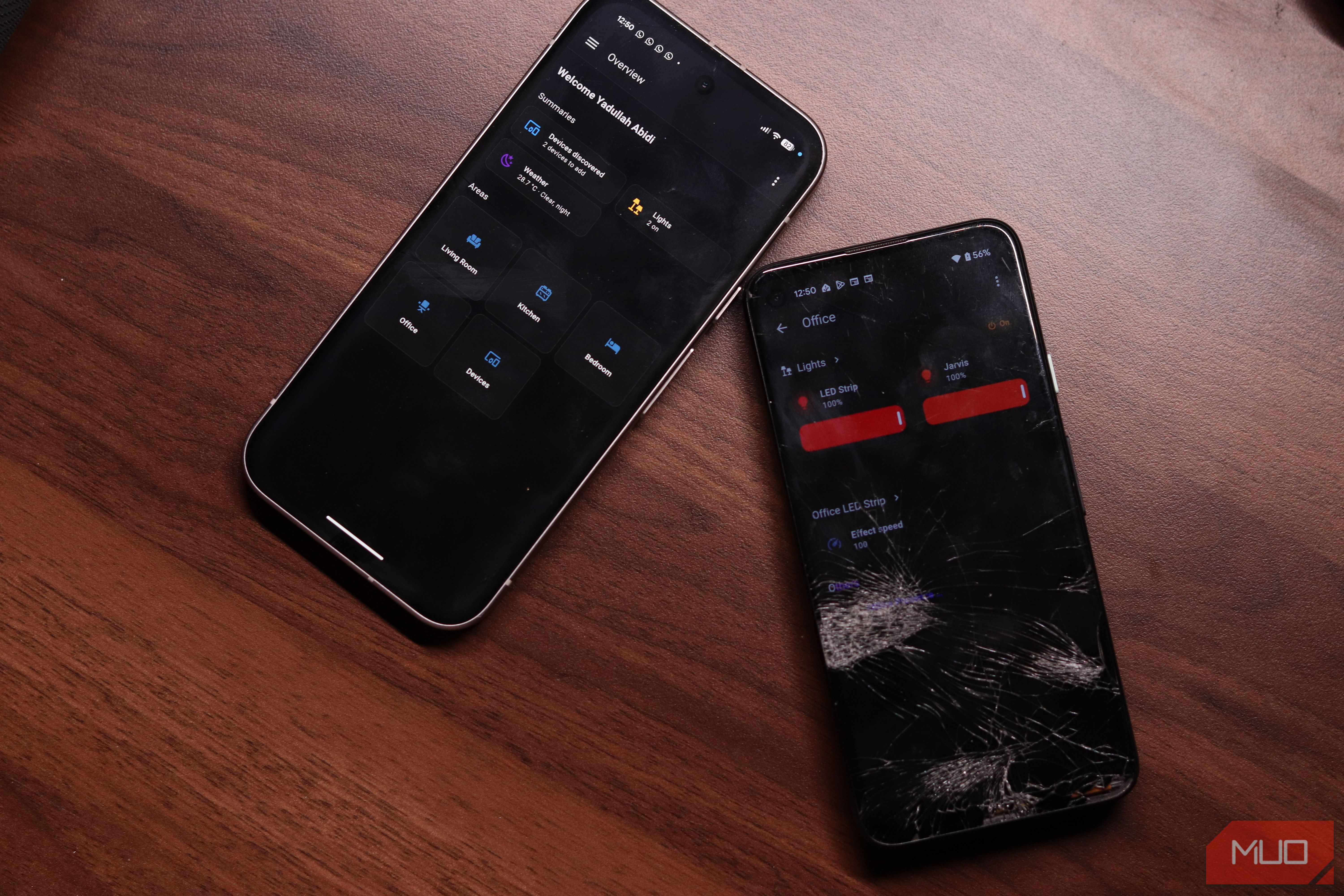
Dedicated presence sensors can be expensive and limited in functionality. An old smartphone, however, already packs a range of sensors—motion, accelerometer, gyroscope, camera, and even Wi-Fi/Bluetooth radios. By repurposing it, you save money, reduce electronic waste, and gain a highly customizable automation hub. In my case, I used a Pixel 4a with a broken screen and a slight bend in the frame. Despite its physical flaws, the internal components worked perfectly, making it an ideal candidate for this project.
Step-by-Step Guide
1. Prepare the Hardware
First, ensure your old phone is still operational. Remove any SIM card and microSD card if present. Clean the exterior and, if the screen is broken, be cautious of sharp edges—use a protective case or tape. I recommend mounting the phone on a wall in a central location, such as a hallway or living room, where it can detect movement throughout the area.
2. Install Essential Software
You’ll need apps that can turn your phone into a presence sensor. Some popular choices include:
- Home Assistant Companion App – Integrates with the powerful open-source Home Assistant platform.
- Tasker – For advanced automation without a central hub.
- Motion Detector App – Sends alerts when movement is detected using the camera or proximity sensor.
I used the Home Assistant Companion app along with a custom configuration to trigger automations based on the phone’s accelerometer and Wi-Fi signal strength. For a simpler setup, you can enable the phone’s built-in “Hey Google” detection to act as a presence trigger.
3. Mount the Phone on the Wall
A secure mount is essential for reliable detection. Options include:
- 3D-printed bracket – Customizable to fit your phone model.
- Adhesive magnetic mount – Easy to remove and reposition.
- DIY wooden frame – Aesthetic and sturdy.
I opted for a simple adhesive magnetic plate attached to the back of the phone and a corresponding metal plate on the wall. This keeps the phone in place while allowing easy removal for charging—which brings us to the next step.
4. Power Solution
Since the phone will be running 24/7, you need a constant power source. Use a long USB cable routed along the wall or install a recessed outlet behind the mount. To avoid battery degradation, enable smart charging or limit the charge to 80% in developer settings. Some users also set the phone to stay powered on without a battery by using a special USB trick, but this requires hardware modifications.

5. Configure Automations
Once the phone is mounted and charged, configure your home automation platform. For example, in Home Assistant:
- Create a binary sensor – Use the phone’s motion detection or accelerometer to generate an entity that shows whether presence is detected.
- Link to other devices – Automate lights to turn on when you enter a room, smart thermostats to adjust based on occupancy, and security cameras to start recording.
- Use Wi-Fi or Bluetooth proximity – Detect when your personal phone is near the mounted phone to trigger actions like unlocking the door.
With my Pixel 4a, I set up a script that turns on the hallway lights when I walk past, adjusts the thermostat when I’m home, and sends an alert if motion is detected while I’m away—all without manual intervention.
Benefits and Tips
- Cost-effective: No need to buy dedicated sensors.
- Eco-friendly: Reduces e-waste by giving old devices a new purpose.
- Highly customizable: Use any app or service that suits your needs.
- Privacy considerations: The phone is offline except for your local network—disconnect its Wi-Fi from the internet for extra security.
One common issue is false positives from pets or moving curtains. To mitigate this, adjust the sensitivity of the motion detection app or use a camera with a mask area. Another tip: keep the screen turned off to save power and reduce distraction—use an app like Screen Off or simply set the phone to lock immediately.
Conclusion
Repurposing an old smartphone as a wall-mounted presence sensor is a smart, sustainable way to automate your home. Whether you use a broken Pixel 4a like me or another Android device, the process is straightforward with the right tools. Not only do you save money, but you also declutter your drawer and create a more responsive living environment. Give it a try—you might be surprised how much life your old phone still has to offer.
Related Articles
- From Lab Demo to Daily Life: A Practical Guide to Evaluating Bionic Technology
- Silent Data Sinks: How Poor Quality Is Crippling Generative and Agentic AI in Production
- 10 Revelations from the Shahed-136 Gimbal Camera Teardown
- 5 Critical Facts About the Takedown of Massive IoT Botnets
- 10 Essential Steps to Integrate Your Tapo L530 Bulb with Home Assistant
- How to Restore and Reprogram a Cotton Candy Vending Machine: A Step-by-Step Repair Guide
- Finance AI Adoption Hits 88% but Scaling Remains a Critical Bottleneck: McKinsey Survey Reveals One-Third of Firms Exit Pilot Phase
- Automating Endpoint Operations: A Practical Guide Inspired by Southwest Airlines