PS5 Linux Gaming: 10 Essential Facts About Running Ubuntu and Steam on Sony's Console
In a groundbreaking move that bridges console and PC gaming, security engineer Andy Nguyen has released a project that lets you boot Ubuntu on a PlayStation 5 and run Steam games. This unofficial hack breathes new life into older PS5 models, but it comes with strict firmware requirements and technical caveats. Here’s everything you need to know about turning your PS5 into a Linux-powered gaming machine.
1. Project Overview: Turning a PS5 into a Linux PC
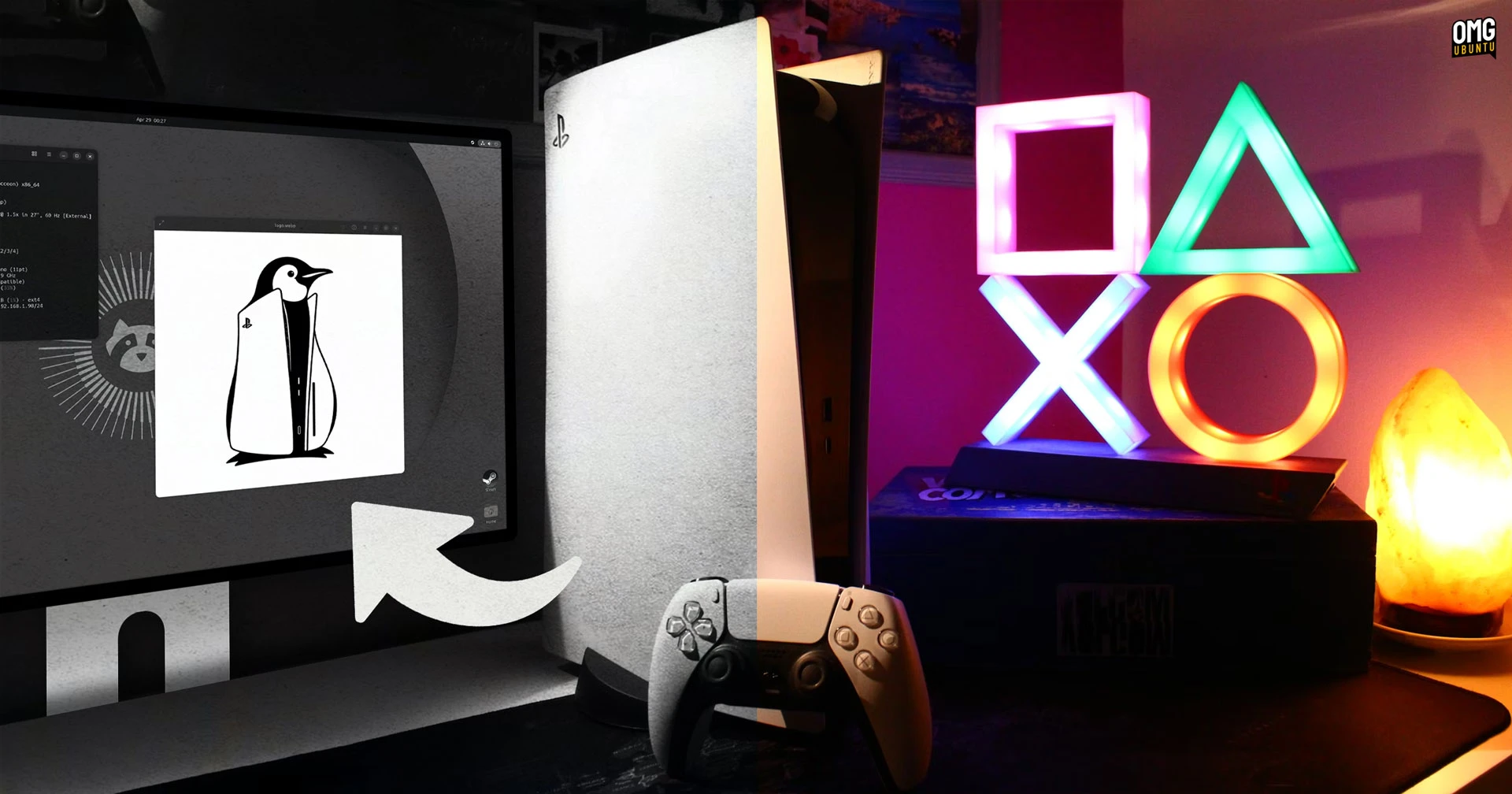
The ps5-linux-boot project, publicly released in early 2025, enables users to boot the Ubuntu operating system directly on a PlayStation 5. This isn’t a dual-boot or emulation—Linux takes full control of the hardware, allowing you to install and play Steam games natively. The project targets the original “Phat” PS5 model with firmware versions 3.xx or 4.xx, exploiting a now-patched hypervisor vulnerability. Once booted, the console behaves like a compact Linux PC with impressive specs: an AMD Zen 2 CPU (8 cores, 16 threads), a custom RDNA 2 GPU, and 16GB of unified memory.

2. The Mastermind: Andy Nguyen
Andy Nguyen is a well-known security researcher with a history of console hacking, including work on the PS4 and PS Vita. His latest contribution, ps5-linux-boot, was developed over several months and released to the public via GitHub. Nguyen emphasized that the project is for educational purposes only, and he urges users to respect hardware limitations. His meticulous documentation has made the process accessible to enthusiasts with some technical know-how.
3. Strict Firmware Requirements
This hack only works on PS5 consoles running firmware versions 3.xx or 4.xx—specifically those from late 2021 to early 2022. Sony has since patched the hypervisor vulnerability in later updates, so if your console is on firmware 5.00 or newer, you’re out of luck. Users must keep their PS5 offline to avoid automatic updates, and downgrading firmware is not possible. Check your system settings carefully before attempting the installation.
4. Exploiting a Hypervisor Vulnerability
The project leverages a vulnerability in the PS5’s hypervisor, the software layer that separates the console’s operating system from its hardware. By bypassing it, Linux gains direct, low-level access to the CPU, GPU, and memory. Nguyen’s exploit is a “full chain” attack that starts with a custom kernel and loader. This approach is similar to earlier PS4 hacks but adapted for the PS5’s stronger security. The exploit is non-persistent—every time you boot Linux, you must run the exploit again from the PlayStation’s web browser.
5. Impressive Hardware Access and Performance
Once Linux is running, the PS5’s hardware is fully exposed: the 8-core Zen 2 CPU can clock up to 3.5 GHz, the custom RDNA 2 GPU offers 36 compute units, and the 16GB of GDDR6 memory is shared between system and graphics. Early benchmarks show performance comparable to a budget gaming PC with an RTX 2060. However, not all hardware features are supported—the custom SSD controller and some I/O peripherals may require additional drivers.
6. Playing Steam Games on Your PS5
With Ubuntu installed, you can download and run Steam via the native Linux client. Many games work smoothly, including native Linux titles and those via Proton (Valve’s compatibility layer). Users have successfully played games like Counter-Strike 2 and Dota 2 at decent frame rates. However, games with anti-cheat software (e.g., Destiny 2, Call of Duty: Warzone) may refuse to run due to the unsupported kernel environment.
7. Limitations and Risks You Should Know
This is an unofficial hack, so expect several limitations: no Bluetooth audio support, occasional GPU driver crashes, and no access to the PS5’s built-in storage (Linux runs from an external USB drive). Online multiplayer in Steam games may be restricted. There’s also a risk of bricking your console if you misstep—always follow the official guide. Voiding your warranty is almost certain, and Sony may ban your console from PSN permanently if it detects the exploit.
8. Installation Steps: A Quick Overview
To get Linux on your PS5, you’ll need a USB drive (16GB or larger), the ps5-linux-boot payload, and a compatible firmware PS5. The process involves: (1) downloading the latest release from Nguyen’s GitHub, (2) writing the Ubuntu image to the USB, (3) running the exploit from the PlayStation’s web browser, and (4) selecting the USB drive to boot from. Detailed guides cover each step, but users should be comfortable with command-line interfaces. Expect the first boot to take up to 10 minutes.
9. Community Reactions and Support
The release has sparked excitement among tinkerers and Linux enthusiasts. Forums like Reddit’s r/PS5Linux are buzzing with tips, compatibility lists, and driver patches. Nguyen’s GitHub repository has already accumulated hundreds of stars. Some users praise the project as a proof-of-concept for console flexibility, while others express disappointment over the firmware restrictions. A small but active community is working on improving GPU drivers and adding support for newer firmware versions.
10. What the Future Holds
While the current hack is limited to older firmware, researchers are already exploring ways to extend support to newer systems. Sony’s security patches make it an ongoing cat-and-mouse game. In the meantime, the project unlocks possibilities like using the PS5 as a low-cost Linux workstation or media server. Nguyễn has hinted at future updates to enable full hardware acceleration and better peripheral support. For now, it remains a fascinating glimpse into the potential of console Linux.
In summary, the ps5-linux-boot project is a remarkable technical achievement that lets you run Ubuntu and Steam on a PS5—but only if you have the right firmware and a tolerance for risk. Whether you’re a curious developer or a gaming enthusiast, this hack offers a unique way to repurpose your console. Just remember to back up your data and proceed with caution.
Related Articles
- Family Reunion Review: A Chaotic Dinner Adventure That Captures Childhood Boredom
- 5 Tech Shifts You Need to Know About: OpenAI Phone, Steam Machines, and Xbox Copilot's End
- From Mod to Miracle: How Piranha Games Turned a Half-Life Fan Project into an Official Die Hard Title
- Zombies, Run! App Revives With New Story Episode After Near-Death Experience
- Gaming Laptops in 2026: Our Top Pick for Portable Performance
- GameStop-eBay Merger Could Devastate Pokémon TCG Market, Experts Warn
- How to Decode Nintendo's Switch 2 Price Rise and Plan Your Next Move
- 10 Reasons to Grab the Razer Basilisk V3 Pro at 15% Off - Limited Deal at $84