Geosynchronous Orbit: The New Frontier for Space Surveillance Competition
High above the equator, a new dimension of geopolitical rivalry is unfolding. The United States, China, and now Russia are actively deploying satellites designed to covertly observe and potentially interfere with each other's spacecraft in geosynchronous orbit (GEO). This 22,000-mile-high ring around Earth is a prime real estate for communications and military assets, making it a focal point for space-based reconnaissance and strategic positioning.
The Strategic Importance of Geosynchronous Orbit
What Makes GEO Unique?
GEO is special because a satellite placed at that altitude—approximately 36,000 kilometers above the equator—orbits Earth at the same speed the planet rotates. This means the satellite appears to hover over a fixed point on the ground. This characteristic makes GEO invaluable for services that require constant coverage of a specific region, such as television broadcasting, weather monitoring, and military communications.
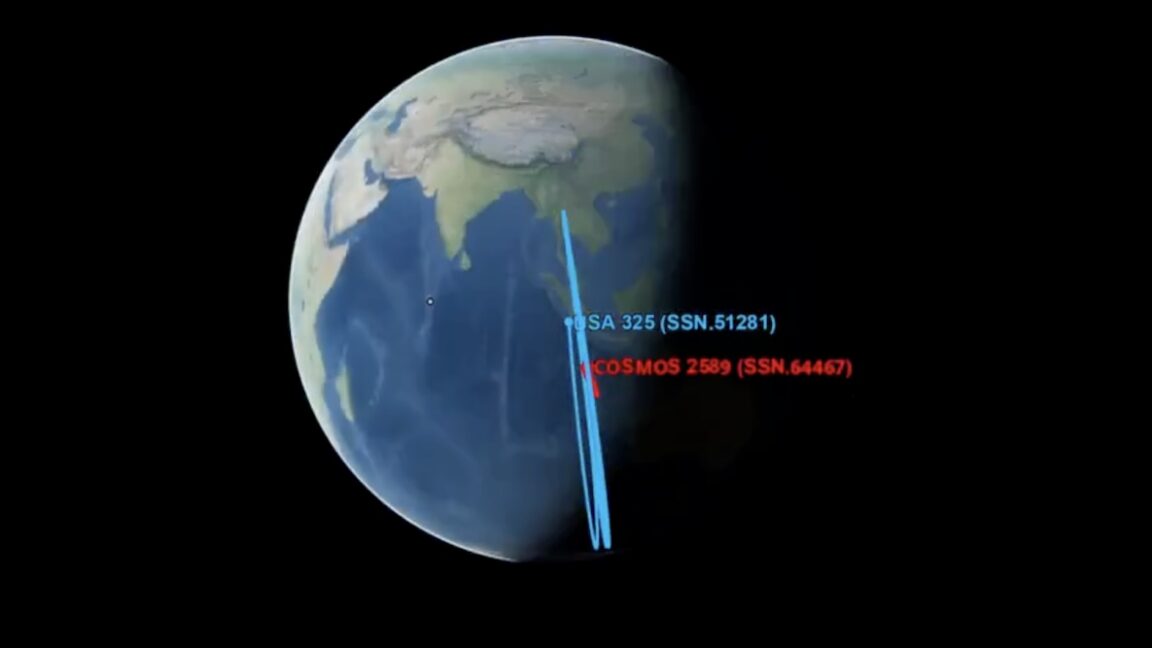
The Role of GEO Satellites
Commercial and military organizations rely heavily on GEO satellites. Each satellite occupies a specific slot along the orbital arc, and these slots are allocated by international agreements. Over the years, nations have filled GEO with a mix of civilian and defense assets. However, the same fixed nature that makes GEO useful also makes it predictable—and thus vulnerable. Knowing exactly where a satellite will be allows adversaries to plan approaches for inspection or attack.
The Evolving Game of Space Inspectors
For more than a decade, the U.S. military has operated a fleet of so-called inspector satellites designed to maneuver close to other spacecraft in GEO and take detailed images. These missions allow the U.S. to assess the health, capabilities, and intentions of foreign satellites. China followed suit in 2018, launching its own series of satellites with similar inspection capabilities.
US Inspector Satellites
The United States has maintained a quiet but persistent presence in GEO with its Geosynchronous Space Situational Awareness Program (GSSAP). These satellites are officially described as tools for “space situational awareness,” but their proximity operations hint at a more aggressive intelligence-gathering role. GSSAP satellites can drift near other spacecraft, photograph them, and even monitor their communications.
China's Entry
China launched its first suspected inspector satellite to GEO in 2018. Since then, Beijing has deployed at least two more. While China officially claims these are for technology demonstrations, analysts have observed these satellites performing complex maneuvers to approach and shadow other GEO assets, including American and allied spacecraft. This mirrors the U.S. approach, indicating a growing trend of orbital espionage.
Russia's Latest Move and US Response
Recent months have brought two significant developments that escalate the competition in GEO. Russia has now joined the club with its own suspected inspector satellite, and the U.S. Space Force is preparing to order an expanded fleet of reconnaissance satellites for the region.
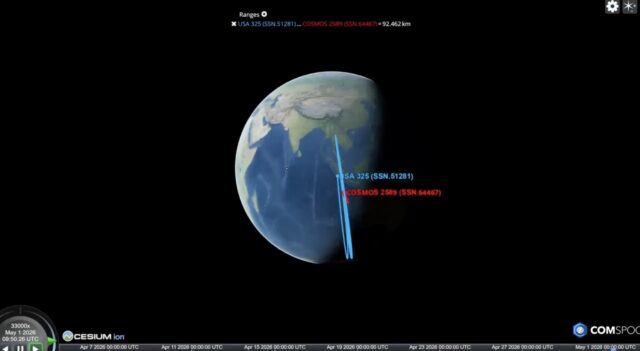
Russia's Suspected Inspector Satellite
In late 2024, Russian space forces launched a satellite into GEO that quickly drew attention. Designated Kosmos-2560 (or a similar placeholder), the satellite performed unusual maneuvers, including drifting near other Russian and foreign satellites. Western space officials have openly called it a “suspected inspector or attack satellite.” Russia’s past use of satellites for proximity operations—such as the 2017 event where a Russian satellite shadowed an American satellite in low Earth orbit—adds weight to these suspicions.
US Space Force's Expansion Plans
In response to increasing activity by both China and Russia, the U.S. Space Force is now poised to order additional reconnaissance satellites for GEO. Current plans call for a new batch of GSSAP-like spacecraft, possibly with enhanced surveillance and defensive capabilities. The aim is to maintain persistent watch over the growing number of foreign inspector satellites and to safeguard critical U.S. and allied assets in the geosynchronous belt.
The competition in GEO is not just about watching; it is about deterrence. Being able to see an adversary’s moves can prevent miscalculations and open the door for diplomatic talks. But the rapid addition of inspector satellites also raises the risk of accidental collisions or deliberate attacks. The laws of orbital mechanics mean that any debris created in GEO would remain there for centuries, threatening all satellites in that ring.
As the United States, China, and Russia continue to expand their orbital presence, the quiet dance of inspector satellites in GEO is becoming a key theater of global power. The coming months will likely see more launches, more maneuvers, and more international attention on what happens 22,000 miles above the equator.
Related Articles
- Alzheimer’s Breakthrough: Blocking a Single Protein Restores Memory in Mice
- 10 Fascinating Facts About Earth's Mysterious Ring Current and the New Mission to Uncover Its Secrets
- Mastering Long-Horizon Planning with GRASP: A Step-by-Step Implementation Guide
- Revolutionary Super Steel: A Q&A on the Breakthrough Material for Green Hydrogen
- GRASP: Practical Long-Horizon Planning with World Models
- 7 Surprising Insights from Space Research on Pneumonia and Heart Health
- The Hidden Cost of AI Efficiency: When 'Not Having to Bug Someone' Undermines Team Bonds
- How to Observe the Celestial Triangle of Mars, Saturn, and the Crescent Moon Before Dawn on May 14