10 Reasons Nvidia’s Driver Updates Still Leave Gamers Skeptical
Remember when installing an Nvidia Game Ready driver was like flipping a switch—the latest games just worked, frames soared, and you could forget about it? For years, Nvidia’s driver support was the gold standard, a key reason it outpaced AMD. But lately, that trust has eroded. Each new release note feels more like a marketing pitch than a promise of stability, and users keep encountering issues—from performance regressions to buggy features. Here are ten critical points that explain why many of us still can’t fully trust Nvidia’s driver release notes — and what it’ll take to win back that confidence.
- The Golden Age of Game Ready Drivers
- The Shift from Stability to Haste
- Release Notes That Read Like Marketing Copy
- DLSS and Frame Generation: Features Over Fundamentals
- Inconsistent Performance Gains (and Losses)
- The Mobile GPU Dilemma
- Unverified Hotfixes and Beta Programs
- User Reports vs Official Acknowledgment
- Competition’s Rising Standards
- A Call for Transparency and Testing
1. The Golden Age of Game Ready Drivers
Not long ago, Nvidia’s Game Ready drivers lived up to their name. You’d click install, reboot, and jump into the newest AAA title without a second thought. The drivers delivered consistent frame-rate improvements, supported new technologies like DLSS, and rarely introduced show-stopping bugs. This reliability was a major reason Nvidia dominated the gaming GPU market throughout the 2010s, leaving AMD scrambling to catch up on software stability. Gamers didn’t need to worry about whether a driver update would break something—they simply trusted the process.
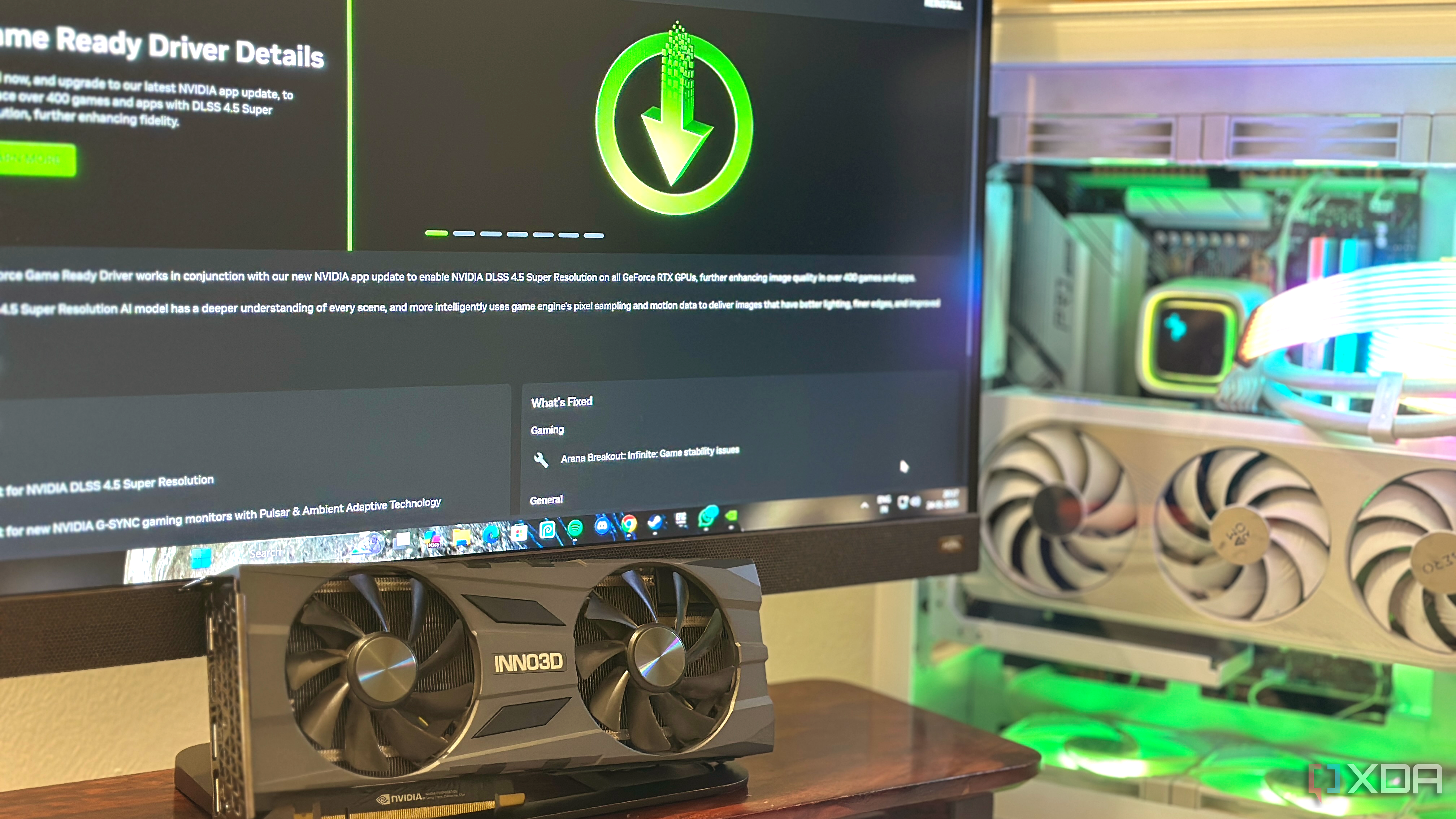
2. The Shift from Stability to Haste
In recent years, the pace of driver releases has accelerated dramatically. Nvidia now pushes out updates almost weekly, often timed to coincide with new game launches. While this sounds great on paper, the rapid schedule leaves less time for thorough QA testing. The result? Drivers that are more prone to bugs, crashes, and unexpected behavior. The old philosophy of “ship when it’s ready” has given way to “ship it now, patch later.” That shift has eroded the trust that Nvidia once enjoyed.
3. Release Notes That Read Like Marketing Copy
Open any recent Nvidia driver release note and you’ll see pages of bullet points touting newly added games, DLSS 3.5 support, and “optimal settings.” But scroll down to the “known issues” section, and you might find it oddly sparse—or missing entirely. Users report that many problems they encounter are never documented. It feels like Nvidia is more interested in hyping features than being transparent about what’s broken. When release notes become sales pitches, they lose credibility.
4. DLSS and Frame Generation: Features Over Fundamentals
Nvidia has put tremendous effort into promoting its proprietary technologies—DLSS, Reflex, Frame Generation. Undeniably, these can boost performance and image quality. Yet many users argue that the core driver stability has taken a backseat. It’s not uncommon to see a driver update that adds DLSS 3 support for a new game but simultaneously introduces screen tearing or stuttering in an older title. Prioritizing flashy features over basic functionality leaves gamers wondering where the company’s real focus lies.
5. Inconsistent Performance Gains (and Losses)
One of the most frustrating aspects is the unpredictability of performance changes. A driver that supposedly boosts frames in Cyberpunk 2077 might actually reduce performance in Fortnite or Apex Legends. Users have documented cases where updating caused a 10-15% drop in certain games without any explanation. While Nvidia often claims “up to X% improvement,” those gains don’t materialize for everyone—and the losses aren’t mentioned at all. This inconsistency makes people hesitant to update.
6. The Mobile GPU Dilemma
Laptop gamers face an even tougher situation. Nvidia’s mobile drivers are often several versions behind the desktop releases, and they rarely receive the same level of optimization. When a desktop driver causes issues, laptop users sometimes have to wait weeks for a fix. Even worse, some notebook OEMs restrict driver updates, locking users to a specific version. This fragmented experience means mobile gamers can’t rely on Nvidia’s release notes to deliver the same stability they once did.

7. Unverified Hotfixes and Beta Programs
To its credit, Nvidia does occasionally release hotfix drivers that address critical bugs. But these hotfixes are often unsigned or lack the same certification as standard Game Ready drivers. Meanwhile, the beta program requires users to actively seek out and test drivers, which many don’t bother with. This creates a gap: the people who need fixes the most may never see them, while those who do try betas often encounter new problems. The system feels reactive rather than proactive.
8. User Reports vs Official Acknowledgment
When you scroll through forums like Reddit or Nvidia’s own community boards, you see a constant stream of reports: “Driver 546.17 crashes in Call of Duty,” “Black screen after updating to 546.33.” Yet Nvidia’s official release notes rarely mention these widespread issues until weeks later, if at all. This disconnect between what users experience and what the company acknowledges breeds distrust. Gamers feel their feedback is ignored, and they’re left to guess whether it’s safe to update.
9. Competition’s Rising Standards
AMD and Intel haven’t been sitting still. Over the past two years, both competitors have made significant strides in driver quality. AMD’s Adrenalin software now offers features like Radeon Anti-Lag and Fluid Motion Frames that rival Nvidia’s. More importantly, AMD’s driver team has become more responsive to user feedback. Intel’s Arc lineup, while still maturing, has surprised many with solid day-one stability. As the gap narrows, Nvidia can no longer rely on past reputation alone.
10. A Call for Transparency and Testing
What would it take to restore trust? Gamers want transparency—release notes that honestly list all known issues, not just a few. They want a dedicated beta channel that allows users to opt in for more testing, with clear communication about risks. Most of all, they want Nvidia to slow down and prioritize stability over speed. Until the company proves that its drivers are as reliable as they were five years ago, skepticism is the only rational response. The ball is in Nvidia’s court.
In the end, Nvidia’s driver situation is a cautionary tale of how even the best reputation can crack under the pressure of rapid iteration. Gamers aren’t asking for perfection—just honesty and consistency. If Nvidia can return to the golden-age ethos of “ready means ready,” they might win back the trust they’ve lost. Until then, many of us will keep one foot out the door, double-checking release notes with a wary eye.
Related Articles
- From COM to Communities: A Guide to Understanding Programming's Slow Evolution and Rapid Shifts
- Go 1.26 Arrives with Language Enhancements, Performance Gains, and Experimental SIMD Support
- Building Trust in a World of Information Overload: A Leader's Guide
- Exploring .NET 11 Preview 4: Key Features and Improvements
- The Slow Grind and the Sudden Leap: How Programming Evolves
- Mastering Automation: A Guide to Anthropic's Routines for Claude Code
- Mastering Claude Agent 'Dreaming': How to Enable Self-Improvement and Error Correction in Your AI Workflows
- 6 Crucial Facts About the Notepad++ Mac App Trademark Dispute