Performance Cars Steal the Spotlight at Beijing Auto Show as SUVs Dominate
Overview of Auto China 2025
The Beijing Auto Show, officially known as Auto China, once again served as a global stage for automakers to unveil their latest innovations. While the proliferation of large, premium SUVs seemed to be the dominant narrative, an unexpected surge of performance-oriented vehicles captured the attention of attendees and media alike. This year’s event highlighted a significant shift in consumer preferences and automaker strategies, with sporty cars—both electric and gasoline-powered—outshining the once-popular subcompact segment.
The Rise of Premium SUVs
As expected, luxury SUVs from both Western and Chinese manufacturers dominated the exhibition halls. Brands like BMW, Mercedes-Benz, and Audi showcased their largest and most opulent models, while domestic players such as BYD, Nio, and Xpeng countered with their own high-end electric SUVs. The popularity of these vehicles reflects a global trend toward space, comfort, and perceived safety. However, the sheer number of SUVs on display made it clear that automakers are betting heavily on this segment to drive sales in China’s competitive market.
Performance Cars Defy Expectations
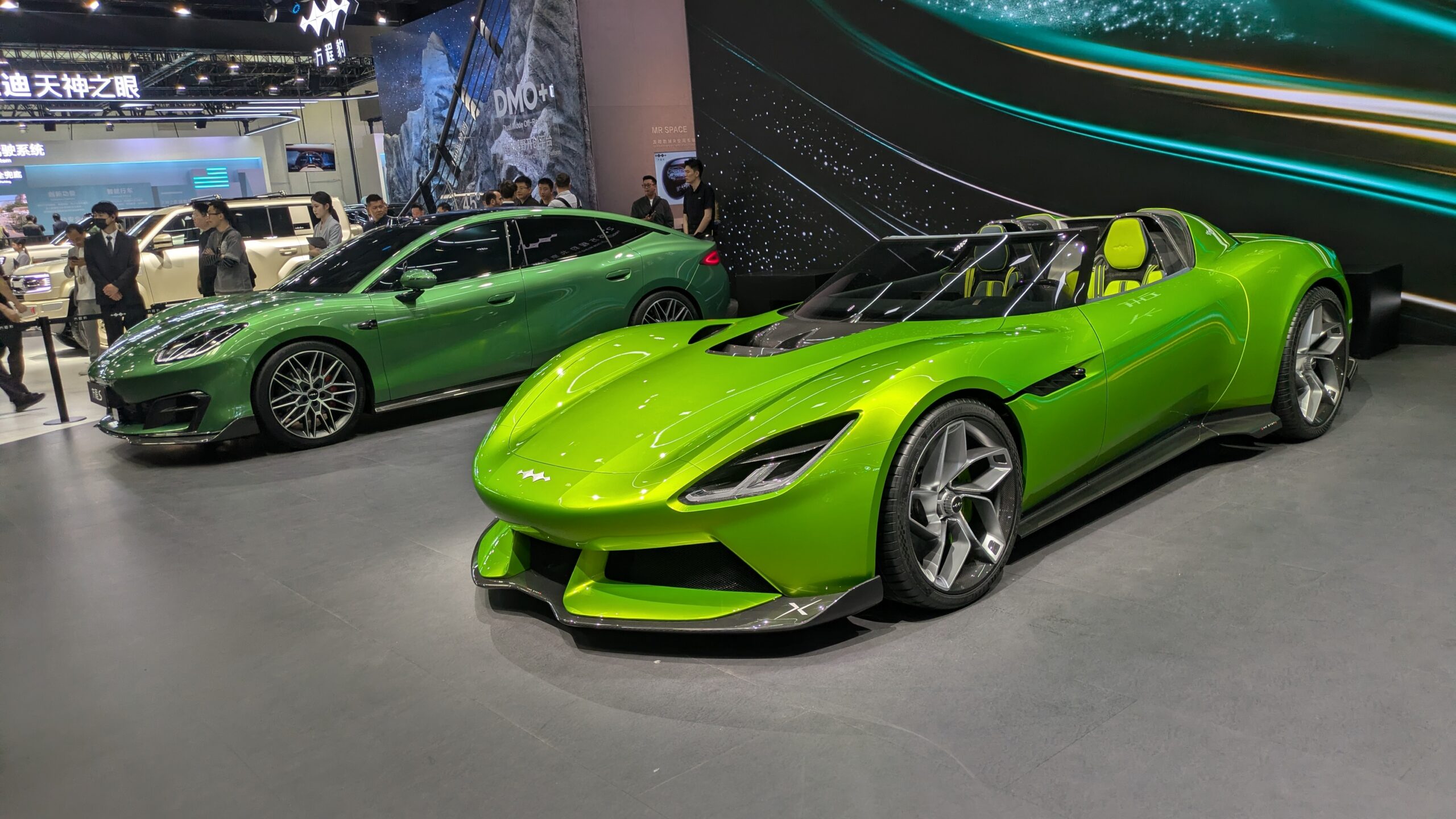
What made this year’s show memorable was the unexpected arrival of a fleet of sports cars and high-performance models. Traditionally, the Chinese market has been associated with fuel-efficient subcompacts or mass-market sedans, but that reputation is rapidly changing. The buzz around vehicles like the BYD Yangwang U9, an all-electric supercar, and the Nio EP9, a track-focused hypercar, signaled a new era for Chinese automotive performance. Even established luxury brands brought their A-game: Porsche unveiled a special edition 911, while Ferrari and Lamborghini showed off their latest hybrids.
Electric Sports Cars Take Center Stage
The electrification of performance was a key theme. Many of the most talked-about sports cars at the show were fully electric. The Yangwang U9, for instance, boasts unprecedented acceleration and a futuristic design that challenges traditional supercar aesthetics. Similarly, the HiPhi A from Human Horizons combined striking looks with impressive specs. These vehicles not only demonstrated China’s engineering prowess but also suggested that performance car buyers are increasingly open to zero-emission powertrains.
Subcompacts Fade Into the Background
In contrast, small, affordable subcompacts—once a staple of Chinese auto shows—were conspicuously absent from many premium automakers’ stands. While budget brands still offered models, the spotlight clearly belonged to larger and more dynamic vehicles. This shift reflects a maturing car market where consumers prioritize style, technology, and performance over mere affordability. The subcompact segment, while still important for first-time buyers, no longer defines the narrative of Auto China.
Implications for the Global Auto Industry
The Beijing Auto Show’s emphasis on sporty cars and SUVs signals a broader transformation. Chinese consumers are demanding more exciting vehicles, and local manufacturers are delivering with homegrown performance brands. This trend could pressure international automakers to accelerate their own sporty offerings tailored to Chinese tastes. Moreover, the decline of subcompacts at the show may hint at a future where electric performance cars become the new entry point for enthusiasts, rather than traditional economy cars.
In summary, while premium SUVs remain the volume drivers, it was the gleaming sports cars—from electric hypercars to refined sports sedans—that stole the show in Beijing. The message is clear: China’s automotive future is not just large and luxurious, but also thrilling and fast.
Related Articles
- Quantum Fears Overblown: AES-128 Encryption Survives the Hype, Expert Declares
- Why Design Systems Need Dialects: Adapting Without Losing Coherence
- 10 Surprising Ways Your Dad’s Exercise Habits Could Shape Your Health
- When AI Translates Chinese Prompts into Korean: The Surprising Role of Code in Language Models
- Quantum Fears Overhyped: AES-128 Remains Secure, Cryptography Expert Assures
- Figma’s Stock Market Rollercoaster: AI Drives Growth, but Investors Remain Wary
- International ETFs Compared: IXUS vs VYMI for Global Diversification
- New York Times Drops Bombshell: Adam Back Linked as Bitcoin Creator Satoshi Nakamoto