April 2026 Patch Tuesday: A Comprehensive Guide to Securing Your Systems
Overview
On the second Tuesday of April 2026, Microsoft released an unprecedented wave of security patches, addressing a staggering 167 vulnerabilities across Windows, Office, and related software. This record-breaking update includes critical fixes for a SharePoint Server zero-day (CVE-2026-32201) already under active exploitation, a publicly disclosed privilege escalation bug in Windows Defender nicknamed 'BlueHammer' (CVE-2026-33825), and nearly 60 browser-related flaws tied to the Chromium engine. Separately, Google Chrome patched its fourth zero-day of the year, and Adobe issued an emergency update for Reader to fix an actively exploited remote code execution vulnerability (CVE-2026-34621). This guide walks you through everything you need to know: from preparation and patch deployment to common pitfalls and verification steps.

Prerequisites
System Requirements
- A supported version of Windows (Windows 10, Windows 11, Windows Server 2019 or later)
- Administrator-level access on target machines
- Stable internet connection for downloading patches
- Sufficient disk space (at least 10 GB free for cumulative updates)
Pre-Patch Checklist
- Back up critical data and system state using a reliable tool (e.g., Windows Backup or a third-party solution)
- Review current endpoint protection status and ensure antivirus definitions are up to date
- Identify any third-party applications that might conflict with updates (e.g., legacy security software)
- Communicate maintenance windows to stakeholders if deploying in a production environment
Step-by-Step Instructions
Step 1: Understand the Key Vulnerabilities
Before applying patches, it’s crucial to know what you’re up against. The April 2026 update addresses several high-severity issues:
- CVE-2026-32201 (SharePoint Server Spoofing) – Allows attackers to expose falsified content within trusted SharePoint environments, enabling phishing and data manipulation. Active exploitation has been confirmed.
- CVE-2026-33825 (Windows Defender Privilege Escalation / BlueHammer) – Public exploit code was released before Microsoft’s patch, though the update neutralizes the vulnerability.
- CVE-2026-34621 (Adobe Reader Remote Code Execution) – An emergency out-of-band patch released on April 11, 2026; exploitation dates back to November 2025.
- Chromium-based browser vulnerabilities – Nearly 60 flaws in Microsoft Edge and other Chromium browsers, many reported by external researchers and possibly amplified by AI-assisted discovery tools like Anthropic’s Project Glasswing.
For a full list, see the Microsoft patches section below.
Step 2: Prepare Your Environment
For individual users: Ensure Windows Update is enabled. Go to Settings > Update & Security > Windows Update.
For IT administrators: Use a patch management solution (e.g., WSUS, SCCM, or third-party tools like Action1). Pre-download updates into a test environment to validate compatibility.
Recommended: Create a system restore point. Open Command Prompt as administrator and run:
wmic.exe /Namespace:\\root\default Path SystemRestore Call Create "Pre-Patch Tuesday Backup"Step 3: Deploy Microsoft Patches
Microsoft’s April 2026 update is cumulative, meaning installing the latest monthly rollup covers all previous fixes. Follow these steps:
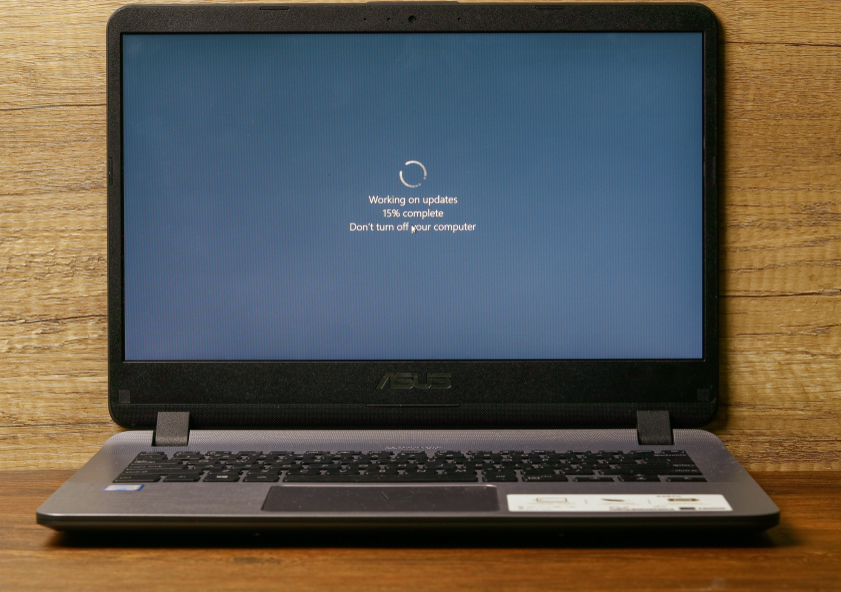
- For Windows 10/11: Navigate to Settings > Update & Security > Windows Update and click Check for updates. Allow the download to complete, then restart when prompted.
- For Windows Server: Use Server Manager or PowerShell. Example command to install all applicable updates:
Install-WindowsUpdate -MicrosoftUpdate -AcceptAll -AutoReboot - For SharePoint Server: Download the patch from the Microsoft Update Catalog or use your existing patching infrastructure. Restart SharePoint services after installation.
- For Edge and other Chromium-based browsers: Updates are typically automatic. Manually check via edge://settings/help.
After reboot, verify the installed KB number (e.g., KB5004321) under Settings > Update History.
Step 4: Apply Google Chrome Zero-Day Patch
Google Chrome released its fourth zero-day fix of 2026 in April. To update:
- Open Chrome and go to Settings > About Chrome.
- If an update is pending, click Relaunch to apply it.
- For enterprise environments, use Group Policy to force updates or deploy the latest MSI from the Chrome Enterprise bundle.
Important: Close and restart the browser completely for the patch to take effect.
Step 5: Install Adobe Reader Emergency Patch
Adobe released an out-of-band patch (CVE-2026-34621) on April 11, 2026. If you haven’t already applied it:
- Open Adobe Acrobat Reader DC.
- Go to Help > Check for Updates.
- Follow the prompts to download and install the update (version 2026.002.10000 or later).
- Restart Reader.
For centralized deployment, download the patch from Adobe’s FTP site or use the Adobe Update Manager.
Step 6: Verify Patch Installation
After applying all updates, confirm they were installed correctly:
- Windows: Run
wmic qfe listin Command Prompt to see all installed hotfixes. - Chrome: Visit
chrome://version/and check the version number against the latest stable release (e.g., 126.0.6478.100). - Adobe Reader: Go to Help > About Adobe Acrobat Reader and verify the version matches the patched release.
Additionally, security researchers (like Will Dormann) confirmed that the BlueHammer exploit code no longer works after installing the April update.
Common Mistakes
Mistake 1: Skipping the SharePoint Server Patch
Given active exploitation (CVE-2026-32201), delaying this patch even by a day increases risk significantly. Phishing campaigns using spoofed SharePoint interfaces can compromise employee credentials or manipulate sensitive data.
Mistake 2: Ignoring Browser Updates
The inclusion of nearly 60 browser vulnerabilities might tempt some to postpone Edge or Chrome updates. However, because these browsers are constantly processing untrusted content, unpatched flaws can be exploited via malicious websites.
Mistake 3: Not Restarting After Adobe Reader Update
Many users update Reader but continue using the old session. Actively exploited code execution flaws require a full restart to neutralize in-memory exploits.
Mistake 4: Assuming Automatic Updates Are Enough
While Windows Update and Adobe’s auto-update help, they may not cover all components (e.g., SharePoint Server or enterprise-managed Edge). Always manually verify in high-security environments.
Summary
April 2026’s Patch Tuesday is the second-largest on record, with 167 vulnerabilities patched by Microsoft alone. Key actions: apply the SharePoint zero-day patch immediately, update Windows Defender to mitigate BlueHammer, deploy Chrome’s latest version, and install the Adobe Reader emergency fix. With exploit code publicly available for some flaws and active attacks underway, timely patching is critical. Expect continued growth in vulnerability reports as AI tools like Project Glasswing enhance discovery capabilities.
Related Articles
- The Copy Fail Vulnerability: 8 Essential Facts You Must Know
- 10 Critical Facts About the PAN-OS Captive Portal Zero-Day Exploit (CVE-2026-0300)
- Debunking 5 Myths About Agentic Coding: The Real Risks Beneath the Hype
- The Canvas Cyberattack: 10 Critical Facts About the Nationwide Education Disruption
- The Hidden Accessibility Challenge: Session Timeouts in Authentication Design
- Attackers Exploit Machine Speed: Why Human-Only Defense Fails at Execution Phase
- Zero-Day Supply Chain Attacks Surge: SentinelOne Blocks Three Unseen Payloads in Single Day
- Decoding Bitcoin's Military Utility: A Guide to Cyber Power Projection